
How to Download and Install apps on Android devices? Install an APK on your Android device should be simple. For most people, it is. But many users run into problems: apps won’t download, installations fail, or apps crash after running. This guide walks you through the entire process step by step. You’ll learn how to download apps safely, install them correctly, and run them without issues. Moreover, list of Best Money Earning Casino Games in Pakistan 2026
Whether you’re using an Android phone, tablet, or smart TV, these instructions work. We’ve tested each method on actual devices running Android 12 through Android 15. Let’s get started.
What You Need Before How to Download and Install Android Apps
Before downloading any Android app, make sure you have:
Hardware Requirements
Your Android device needs enough storage space. Most apps require 50 MB to 500 MB of free space. Some large games need 2-5 GB. Check your available storage before downloading.
Your device needs an internet connection (WiFi is recommended for large apps). Mobile data works but uses your data plan.
Your Android version matters. Older apps work on Android 8+. New apps require Android 12 or higher. Check your Android version in Settings > About phone.
Account Requirements
You need a Google Account to download from the Google Play Store. This is the official source for Android apps.
You can use Gmail, work email with Google, or create a free Google Account specifically for your device.
Your Google Account stores your app purchases and preferences. The same account across devices downloads your apps automatically.
Permission Settings
You must allow app installation on your device. Some Android versions require enabling “Unknown Sources” if installing outside the Google Play Store. We’ll cover this later.
Your device must allow permission changes during app installation.
How to Download and Install Apps from Google Play Store? (Easiest Method)
The Google Play Store is the official source for Android applications. It’s built into every Android device. Downloading from the Google Play Store is the safest and easiest method.
Open the Google Play Store
Tap the Play Store icon on your home screen. It looks like a triangle made of colored dots (white, blue, yellow, red).
If you don’t see it on your home screen, swipe up to view all apps. Scroll down until you find “Google Play Store” and tap it.
The first time you open Play Store, you might see a login screen. Tap “Sign in” and enter your Google Account email and password.
Find the App You Want
Once in the Play Store, you see the home screen showing featured apps and games.
Search for an app by name: Tap the search icon at the top (magnifying glass symbol). Type the app name. For example: “WhatsApp,” “Instagram,” or “Chrome.”
As you type, Play Store shows suggestions. Tap the correct app from the suggestions.
Browse categories: If you don’t know what app you want, tap the “Categories” or “Games” section. Browse by category: Social, Communication, Photography, Games, Productivity, etc.
Find top apps: Tap “Top apps” to see the most popular and highest-rated applications. These are usually reliable and well-reviewed.
Check App Details Before Download and Install
Before tapping “Install,” review the app page carefully.
Check the rating and reviews: Scroll down to see user ratings (1-5 stars) and reviews. Apps with 4+ stars are generally good. Read recent reviews from other users describing their experience.
Check permissions the app requests: Scroll further down to see “Permissions.” The app will ask access to your camera, photos, location, contacts, etc. Make sure these permissions make sense for the app.
Example: A camera app needs camera access (makes sense). A weather app needs location (makes sense). A calculator asking for contacts (doesn’t make sense, be cautious).
Check the file size: The app size is shown near the install button. For example: “25 MB” or “150 MB.” Make sure you have enough storage space (free space should be 2x the app size).
Check the developer: Tap the developer name to see their other apps. Legitimate developers have multiple apps with good ratings.
Check update frequency: If the app hasn’t been updated in 12+ months, it might be abandoned. Avoid old apps.
Download and Install
Once you’re satisfied with the app details, tap the “Install” button.
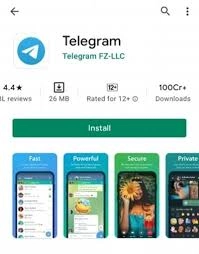
Play Store downloads the app automatically. This takes 30 seconds to 5 minutes depending on app size and internet speed.
During download, you see a progress bar showing the installation progress (0% to 100%).
Once installation completes, the “Install” button changes to “Open.” The app is now on your device.
Launch Your New App
Tap “Open” to launch the app immediately. Or tap the home button to close Play Store and find the app on your home screen.
The app icon now appears on your home screen or in your app drawer (scroll up from home screen).
Tap the app icon anytime to launch it.
On first launch, the app might ask for permissions. Tap “Allow” to grant permissions (only if they make sense). Tap “Deny” if you’re uncomfortable with the permissions.
Some apps ask you to sign in or create an account. This is normal for social media, email, banking, and productivity apps.
You downloaded a casino app on your phone. You want to play. But first, you need money in your account, How to Deposit Money in Casino Apps in Pakistan 2026
How to Download and Install APK Files Manually?
An APK file is the installation file for Android apps. APK stands for Android Package Kit.
You can download APK files from websites other than Google Play Store. This is useful when:
- An app isn’t available in your country’s Play Store
- You want an older version of an app
- You’re downloading from a trusted source like the official app website
Warning: Only download APK files from trusted sources. APK files from suspicious websites might contain malware. Stick to Google Play Store when possible.
Find a Trusted APK Source
Official app websites: Many app developers host APK files on their official websites. For example, Firefox, Telegram, and VLC publish APK files directly. If you want to download Earning, and casino apps visit over platform Earning.com.pk
Google “app name APK download” to find the official source.
Trusted APK repositories: APKMirror and APKPure are trusted sources. They host verified APK files from Google Play Store. These are safer than random websites.
Never download from sites with suspicious domain names or excessive ads.
Download the APK File
Visit the trusted APK source website. Find the app you want.
Tap “Download” or the download button. The APK file downloads to your device’s Downloads folder.
This takes 30 seconds to 10 minutes depending on app size and internet speed.
Enable Installation from Unknown Sources
Android won’t install apps from sources other than Google Play Store by default. You must enable this.
Go to Settings > Apps > Special app access > Install unknown apps (on Android 10+). Or Settings > Security > Unknown Sources (on older Android versions).
Select the app you’re using to install the APK (usually “Files” or “Chrome”).
Toggle “Allow from this source” ON.
This allows that specific app to install other applications.
Locate and Install the APK File
Open your file manager (called “Files,” “My Files,” or “File Manager” on your device).
Navigate to the Downloads folder.
Find the APK file you downloaded. It has an .apk extension. For example: “telegram.apk” or “firefox.apk”
Tap the APK file. Android asks, “Do you want to install this application?”
Tap “Install” to proceed.
Android unpacks and installs the app. This takes 30 seconds to 2 minutes.
Complete Installation
Once installation finishes, tap “Done” or “Open.”
The app is now installed on your device.
Tap “Open” to launch it immediately, or find it on your home screen later.
If you want to play 3S game, download it from the over platform.
Important: After installing from an unknown source, you can disable “Allow from this source” in Settings for security. This prevents accidental installation of malicious apps.
How to Download and Install Apps on a Computer and Transfer to Android?
You can download apps on a computer and transfer them to your Android device using a USB cable.
This method is useful when:
- Your phone has slow or no internet
- You have limited mobile data
- You want to install the same app on multiple devices
Download APK on Your Computer
On your computer, visit an APK source website (APKMirror, official app site, etc.).
Download the APK file. It saves to your Downloads folder.
Connect Android Device to Computer
Use a USB cable to connect your Android phone/tablet to your computer.
On your Android device, you see “USB debugging” or “File transfer” notification. Tap “File transfer mode.”
Your computer recognizes your Android device as a folder.
Transfer APK File
On your computer, open the Android device folder.
Navigate to the Downloads folder on the Android device.
Copy the APK file from your computer’s Downloads to the Android Downloads folder.
Once transferred, disconnect your Android device safely.
Install on Android Device
Open your file manager on Android.
Navigate to the Downloads folder.
Tap the APK file and install it (same process as Method 2 above).
How to Run Android Apps: Detailed Instructions?
Once installed, running Android apps is straightforward. But there are important details to know.
Launch Apps from Home Screen
The simplest way: tap the app icon on your home screen.
If the app icon isn’t on your home screen, swipe up from the home screen to view all apps. Tap the app you want to run.
Launch Apps from App Drawer
The app drawer contains all installed apps (usually a grid icon at the bottom of home screen).
Tap the app drawer icon.
Swipe through the pages to find your app.
Tap the app to launch it.
Add App Shortcuts to Home Screen
For apps you use frequently, add shortcuts to your home screen:
Long press (hold) the app icon in the app drawer. Tap “Add to home screen.” The shortcut appears on your home screen.
Now you can launch the app with one tap.
Close and Manage Running Apps
To close an app, tap the back button (arrow) at the bottom of your screen, or swipe up from the bottom and hold.
To see all running apps, swipe up from the bottom and hold. You see thumbnails of all open apps.
To close a specific app, swipe it upward off the screen.
To force-close an app (if it’s frozen), go to Settings > Apps > [App name] > Force stop.
App Permissions Explained
When you launch an app for the first time, it might ask for permissions.
What are permissions? Permissions control what information and features the app can access. For example:
- Camera permission: The app can use your device’s camera
- Photo permission: The app can access your photos
- Location permission: The app can see where you are
- Contact permission: App can see your contact list
- Microphone permission: App can record audio
Should you grant permissions? Grant permission only if it makes sense for the app.
A camera app needs camera permission (yes, grant it). A weather app needs location permission (yes, grant it). A calculator app asking for contact permission (no, deny it). A note app asking for camera permission (no, deny it).
How to manage permissions: Go to Settings > Apps > [App name] > Permissions.
You see what permissions the app currently has (allowed or denied).
Toggle each permission on or off based on your comfort level.
You can always change permissions later.
Troubleshooting Common Installation and Running Problems
Problem: App Won’t Download
Cause 1: Slow or no internet connection Solution: Connect to strong WiFi. Try again.
Cause 2: Not enough storage space Solution: Check Settings > Storage. Delete old files or unused apps. Try downloading again.
Cause 3: App not available in your country Solution: Use a VPN (advanced). Or download APK from trusted source (Method 2).
Cause 4: Your Google Account has issues. Solution: Sign out of the Google Play Store. Go to Settings > Accounts > Google. Remove account. Add it again. Restart the Play Store.
Problem: Installation Fails Midway
Cause 1: Storage space ran out during installation. Solution: Delete files to free space. Restart the download.
Cause 2: Corrupted APK file Solution: Delete the APK file. Download again from a trusted source.
Cause 3: Android version incompatibility Solution: Check if your Android version supports the app. App details show minimum Android version required. Update your device if possible.
Problem: App Won’t Launch or Crashes Immediately
Cause 1: Cache or data corruption Solution: Go to Settings > Apps > [App name] > Storage > Clear Cache. If that doesn’t work, tap “Clear Data” (this removes app settings, you’ll need to set it up again).
Cause 2: Not enough RAM Solution: Close other apps. Restart your device.
Cause 3: Outdated app version Solution: Go to Google Play Store. Search for the app. If an update is available, tap “Update.” Let it complete.
Cause 4: Permission issues Solution: Go to Settings > Apps > [App name] > Permissions. Make sure the app has necessary permissions granted.
Problem: App Uses Too Much Storage Space
Cause 1: Large app file Solution: Some apps are just large. Delete the app if you don’t need it.
Cause 2: App cached too much data Solution: Go to Settings > Apps > [App name] > Storage > Clear Cache. This frees space without losing important data.
Problem: App Uses Too Much Battery
Cause 1: App running in background constantly Solution: Go to Settings > Apps > [App name] > Battery. Restrict battery usage.
Cause 2: Location, camera, or microphone always on Solution: Go to Settings > Apps > [App name] > Permissions. Turn off the location, camera, and microphone if the app doesn’t need them.
Best Practices for Android App Safety and Management
Download from Official Sources Only
Always download apps from the Google Play Store when possible. Google reviews apps before publishing them.
If you must use APK files, use only trusted sources like APKMirror or the official app website.
Avoid downloading APK files from random websites with poor design or excessive ads.
Check Permissions Carefully
Before installing any app, scroll down in Play Store to see what permissions it requests.
If an app requests unnecessary permissions, don’t install it.
Apps requesting your contacts, photos, or location should have a legitimate reason.
Update Apps Regularly
Go to the Google Play Store. Tap your profile icon. Tap “Manage apps and device.” Tap “Manage.”
Find apps with pending updates. Tap “Update all” to update all apps at once.
Outdated apps have security vulnerabilities and performance issues. Updates fix these problems.
Uninstall Apps You Don’t Use
Open the Google Play Store. Search for the app. Tap the app. Tap the three-dot menu. Select “Uninstall.”
Or go to Settings > Apps > [App name] > Uninstall.
Unused apps waste storage space and slow down your device.
Review App Ratings and Reviews Before Installing
Apps with 1-2 stars often have bugs or cause problems. Avoid them.
Apps with 4-5 stars are usually reliable.
Read recent reviews. If many users report the same problem, skip the app.
Check the app version. Developers fix problems in updates. Outdated apps might have unsolved issues.
Use Antivirus Protection
Consider installing a mobile antivirus app (Avast, Norton, or McAfee). These apps scan your device for malware.
However, reputable antivirus apps are often overkill if you only download from Google Play Store.
If you download APK files from non-official sources, antivirus is recommended.
Summary: Step-by-Step How to Download and Install Android App
- Open Google Play Store
- Search for the app you want
- Check ratings, reviews, and permissions
- Tap Install
- Wait for download to complete
- Tap Open or find app on home screen
- Grant necessary permissions
- Run the app
For APK files:
- Enable Unknown Sources in Settings
- Download APK from trusted source
- Open the file manager and find the APK
- Tap the APK file
- Tap Install
- Wait for installation to complete
- Tap Open or find the app on the home screen
Conclusion: Download and Install APK
How to Download and Install Android Apps: It is simple once you understand the process. Google Play Store is the easiest and safest method. For most users, this is all you need.
If you encounter problems, our troubleshooting section covers the most common issues and their solutions.
Remember: Only download from trusted sources, check permissions carefully, and update apps regularly. Follow these practices and you’ll have a smooth Android experience.
Common Questions About Android Apps
Can I download the same app on multiple Android devices?
Yes. If you use the same Google Account on multiple devices, apps you’ve installed appear on all devices. You can download them again.
Can I transfer apps between Android devices?
Not directly. But you can install the same app on another device using your Google Account.
How much storage space do apps need?
Most apps need 50 MB to 500 MB. Games need 1-5 GB. Check the Play Store listing for exact size.
Can I use Android apps on an iPhone?
No. Android and iOS are different systems. Apps are built for one or the other (or both).
Is it safe to download free apps?
Yes, apps in Google Play Store are scanned for malware. Free apps are legitimate.
Why does an app ask for permissions I don’t need?
Some developers request more permissions than necessary for potential future features. Review permissions before installing.
Can I downgrade to an older app version?
Not directly through Play Store. You can download older APK files from APKMirror if needed.
What’s the difference between app size in Play Store and actual storage used?
Play Store shows the compressed size. Once installed, the app is larger. It also creates cache and data folders that use additional space.